


10 Sep Facade Systems: Types, Benefits and How to Choose
A facade system is one of the most important elements of a building, working day and night to protect the structure from harsh weather while supporting indoor comfort and energy efficiency.
At Koemmerling Aluminium, we understand that a facade does more than defining a building’s appearance. It acts as a protective barrier against external elements, contributes to architectural design, and plays a role in the performance of residential and commercial spaces.
In this guide, we explore how facade systems work, the different types available, and the key factors to consider when choosing the right facade solution for your project.
What Are Facade Systems?
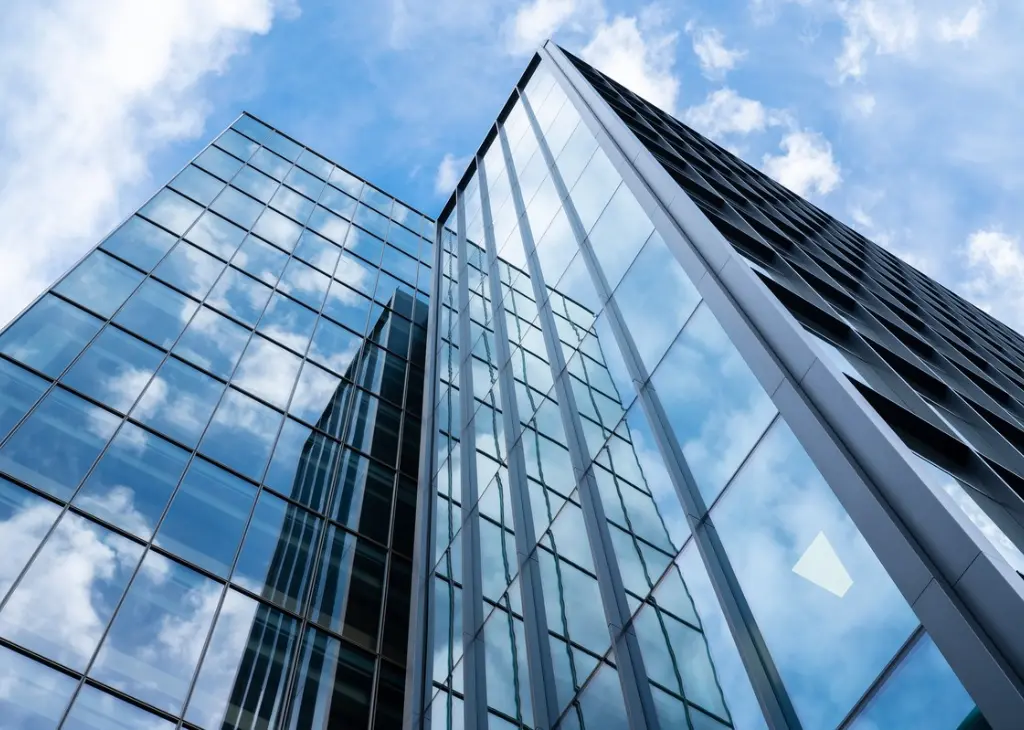
A facade system is a building envelope that envelops the structure, protecting it from the elements while giving it an attractive appearance. Facade systems in modern architecture are typically constructed from aluminium framing with inserts of glass, metal, stone, or composite materials.
It is worth noting that most facade systems are non-structural, meaning that the primary support comes from a building’s structural framework while the facade is designed to withstand wind pressure and weathering.
What does a facade system do?
A well-designed facade system is a multifunctional and complex structure that provides the following features.
- Weather protection. Facade systems protect the building from the weather and keep the interior cosy whatever the outdoors conditions.
- Aesthetic Identity. Gives the building its unique visual style and architectural character.
- Fire protection. Facades provide a high level of fire safety.
The facade systems are the key component of any building as they form an enclosure and serves as a boundary between the interior and exterior environments. At Koemmerling Aluminium we offer a wide range of facade systems solutions, including Curtain Wall, Skylight, Louver & Sunshade, Ventilated facade and more. Combining the precision engineering of aluminium products and comprehensive technical support, we develop facade systems for residential, commercial and high-rise buildings that meet the demands of modern architecture.
Different Types of Facade Systems
There are several facade systems that differ in their mounting methods and design but ideal solution depends on the building’s height, architectural design, construction method, and performance requirements.
| Facade System | How It Works | Ideal Application |
| Regular Curtain Wall | Aluminium framing assembled on site using the stick system. | Residential, commercial, and mixed-use buildings. |
| Unitised Curtain Wall | Factory-fabricated glazed panels installed as complete units. | High-rise towers and fast-track developments. |
| Skylight System | Structural glazing designed for overhead roof openings. | Atriums, glass roofs, and large skylights. |
| Windows, Doors & Sliding Systems | Operable aluminium units integrated into the facade. | Homes, offices, hotels, and institutional buildings. |
| Louver & Sunshade Systems | Aluminium shading elements that reduce glare and solar exposure. | Climate-responsive facades and commercial projects. |
| Ventilated facade Substructure | Engineered support framework for rainscreen cladding systems. | ACP, terracotta, stone, and ventilated facades. |
Koemmerling Aluminium Systems, as the leading curtain wall manufacturer, brings together a wide range of facade systems so that architects and developers can select the most appropriate aluminium options for their needs. A wide scope of products and extensive technical expertise mean that we can offer integrated solutions across the entire facade of a high-rise building.
A successful facade design depends not only on the material used but also on the detailing of the structure. Elements such as cavities and equalization joints play a crucial role in achieving high performance of a building facade.
Understanding Facade Glazing Systems
The glazing is one of the most important elements of a facade system. It has a significant impact on the building’s operation and performance as it regulates lighting and solar heat gain. While there are numerous options for glass, here are the most common facade glazing options.
- Single glazing: a single pane of glass, used where basic weather protection is sufficient.
- Double glazing: separated by an insulated cavity, offering improved weather protection.
- Triple glazing: three panes of glass with insulated gas in between for higher insulation in projects with demanding energy performance.
- Laminated glass: two sheets of glass bonded with a strong polymer that improves the solar protection.
The right selection of glazing options can have a lasting effect on the comfort of a building and its occupants.
Benefits of Modern Facade Systems
Facade systems offer a variety of benefits and advantages over traditional wall constructions. A facade with high-performance glazing not only improves the appearance of a structure but also enhances its comfort, functionality, and durability.
- Design Flexibility: To adapt to different profiles, glazing options, sizes, and configurations that meet the requirements of all architectural concepts.
- Durability: Offers long-time performance and resistance to the common effects of the environment.
- Low Maintenance: It requires minimum care if it is correctly designed and finished with appropriate materials.
- Structural Performance: It provides structural integrity and stability by allowing larger glazed areas and more complex designs.
- Sustainability: It can help to create more sustainable buildings by improving energy performance and day lighting.
Facade Systems for Different Types of Buildings
Depending on the height and purpose of a structure, it is necessary to choose the most appropriate facade system. For example, residential buildings typically require windows, doors and sliding systems that offer optimal weather and natural lighting, while commercial buildings have more complex requirements.
Hospitals, schools, and other public buildings benefit from ventilated facade systems that are long-lasting and low-maintenance. At the same time, retail and hospitality projects require glazed facade systems with louver and sunshade solutions to maximise natural daylight while minimising glare. Regardless of the building type, Koemmerling Aluminium provides comprehensive solutions for curtain walls, skylights, and louvers that meet the unique needs of a structure.
How to Choose the Right facade System
The selection of an appropriate facade system for residential or commercial buildings depends on various factors, including the architectural and engineering requirements.
A low-rise housing, commercial tower, or public building have different structural and functional needs. Before making a final choice, be sure to take into account the building’s location, height, and maintenance schedule, as well as other requirements.
Curtain wall systems and ventilated facades are typically suitable for high-rise buildings undergoing commercial or residential development. Aluminium facade systems are known for their strength and durability, enabling stable performance against the weather for decades.
For coastal developments, it is vital to select a facade system that is resistant to corrosion, while curtain walls and unitised constructions offer the easiest solution for large-scale commercial projects.
FAQs
Not exactly. A curtain wall is one type of facade system, the non-load-bearing variety that hangs off the building’s frame. facade system is the overarching category. It covers curtain walls, for sure, but also ventilated cladding, structural glazing, and panelised systems. Every curtain wall is a facade system. Not every facade system is a curtain wall.
Depends heavily on the system and how well it’s looked after. Curtain wall and unitised construction tend to hold up better over time since there’s less sealant and paint doing the heavy lifting. Skip the maintenance schedule though and even a good system starts showing its age early. The reality is, most of the failures people blame on the system are maintenance failures wearing a different name.
For a lot of buildings, yes. Energy savings can reduce heating and cooling costs by up to 30%, which may help recover the higher initial cost over time. But if the project is tight on budget and the climate isn’t extreme, a simpler curtain wall or panelised system might do the job just fine.